RELEASE
j'adore
Two Forsberg tracks, 10 August 2026. Bandcamp times them 3:27 and 4:51. The sleeve credits CJ Archer as producer.
- format
- Release
- date
- Aug 10, 2024
- author
- CJ Archer
- artists
- Forsberg
- words
- 720 words · 3 min
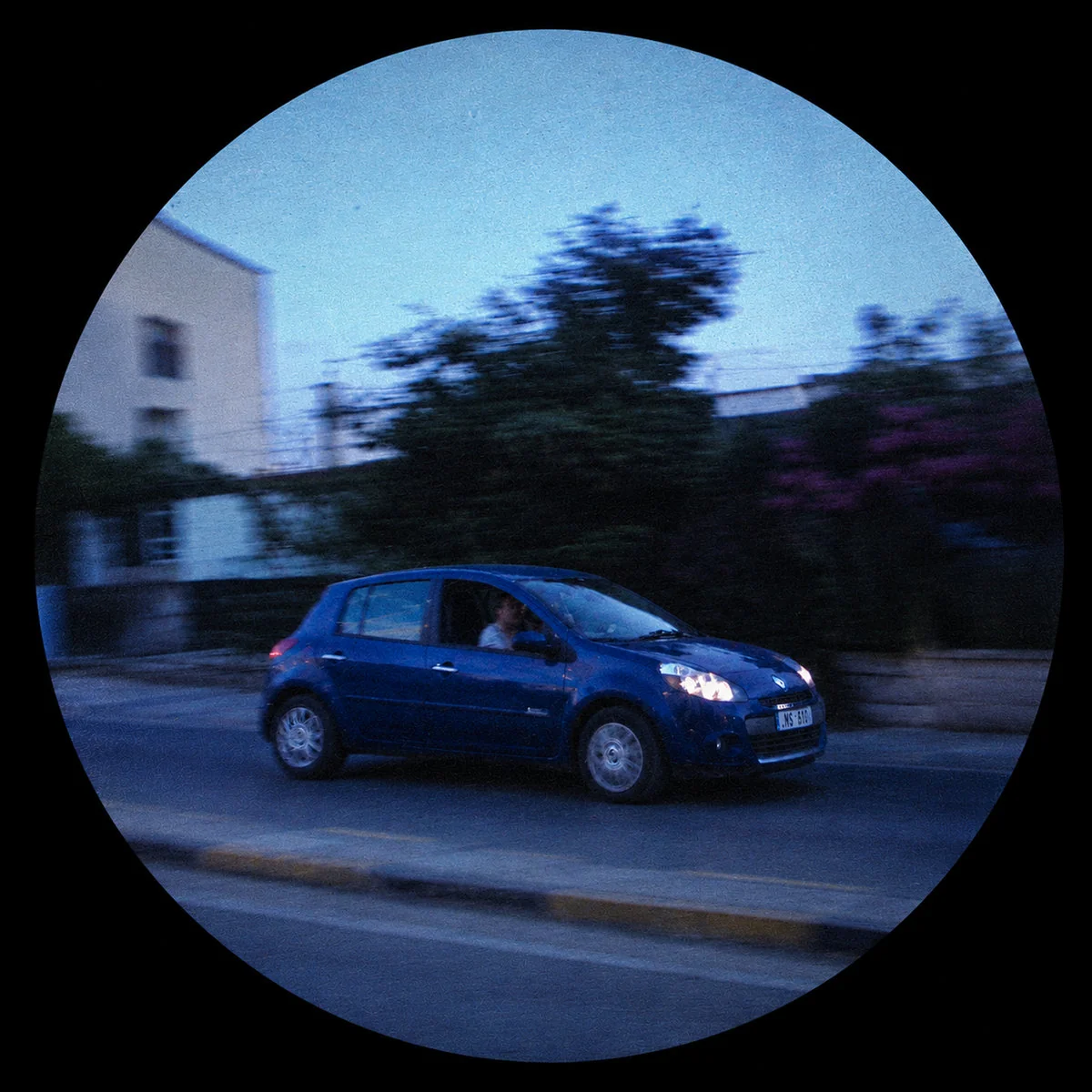
j'adore is CC007, the first Forsberg title on the Club Copy list, released 10 August 2026. Two tracks. On the clubcopy.ca page they are “don't cry” and “j'adore,” and the production credit is CJ Archer. On Bandcamp, at forsberg.bandcamp.com/album/jadore, the same two titles are timed 3:27 and 4:51, and the release date matches. Digital on the label’s page is $3 CAD. The genre line is house. That is the object. Everything else the August 2026 note said about cars, violet light, and a passenger was a listening diary. Diaries are allowed. They are not the sleeve.
The credit is the part a magazine published by this label has to put in the first paragraph. CJ Archer is the byline on almost every Night Shift piece, the founder named on the about page as Charlie Archer, and the producer named on this single. A reader who wants a review from outside the house will not find it here. What they can find is a description that does not pretend the credit is a footnote. j'adore is a Forsberg record produced by the person who also runs the imprint. Small labels have worked this way for as long as small labels have existed. The ethical requirement is not a different byline invented for the occasion. It is that the sentence stay visible when the record is discussed. Locked drums and long loops, the phrase on Forsberg’s artist page, arrive on this particular single through that collaboration. Whose hands did which part is not on the page. “Produced by CJ Archer” is.
Two tracks and under nine minutes, on the Bandcamp timings, is a small frame for a debut on a label. It suits the artist-page line “records finished when they leave.” A finished house track, in the tradition this music actually comes from — Chicago and New York in the 1980s, the long DJ mixes that taught the form, the edits that circulated on acetate and then on cheap digital files — does not have to be long to be a record. It does have to be done. “don't cry” at 3:27 is the length of a song. “j'adore” at 4:51 is the length of a slightly extended song. Neither is a ten-minute DJ tool, and the page does not claim a tool. It claims a single. Listeners who only trust house when it announces itself with a long intro will find this scale abrupt. The other tradition, the song that happens to be on a dance rhythm, is just as old. Riscape’s You Are (Love), on the same label a month later, sits in that second tradition openly, with a piano player’s name in the credits. j'adore sits there more quietly: two titles, one of them a French endearment, neither of them explained.
Place, again, should be the Bandcamp place. “House music from Cumberland, BC” is the line on Forsberg’s Bandcamp. The Club Copy page says Vancouver. This review will not split the difference. Cumberland is a town on Vancouver Island. Vancouver is the larger city across the water. They produce different sentences about what “local” means, and the label has been printing the city while the artist account prints the town. For a single released in August 2026, the practical fact is smaller than the geography. A two-track house record came out, with a named producer, at a price, on a Pacific Northwest imprint whose Bandcamp also says Cumberland. The night the old note invented — windows down, a slow drive — is not on the sleeve. The sleeve is enough.
Heard as the start of a run rather than as a mood, j'adore is the prototype for the October titles. Please Wait, Run It Back, and Try To Love Again are each one track. Pitch Black gathers three. None of those later pages repeats the CJ Archer production credit. So the collaboration is, on the public record, specific to CC007. That makes the single more interesting, not less. It is the moment the label’s writer is also, officially, the producer of a roster record, and the moment Forsberg’s name enters the numbering. Later records will show what the name does without that credit printed. This one shows the credit. Play it as a song that ends, twice. The catalogue gets longer after that. The credit, so far, does not.